
Indulgences
According to the Catechism of the Catholic Church, "An indulgence is a remission before God of the temporal punishment due to sins whose guilt has already been forgiven, which the faithful Christian who is duly disposed gains under certain prescribed conditions through the action of the Church which, as the minister of redemption, dispenses and applies with authority the treasury of the satisfactions of Christ and the saints. An indulgence is partial or plenary according as it removes either part or all of the temporal punishment due to sin." (CCC 1471).
“An indulgence is obtained through the Church who, by virtue of the power of binding and loosing granted her by Christ Jesus, intervenes in favor of individual Christians and opens for them the treasury of the merits of Christ and the saints to obtain from the Father of mercies the remission of the temporal punishment due for their sins.” The Church does this not just to aid Christians, “but also to spur them to works of devotion, penance, and charity” (CCC 1478).
An indulgence can be received daily either for yourself or for a soul in Purgatory, who you may mention by name if you wish. A second indulgence could be received for a soul in Purgatory with a second reception of Holy Communion in Mass.
Usual conditions to receive an indulgence (all must be met):
Have the intention of receiving the indulgence.
Receive the Sacrament of Reconciliation several days before or after performing the act (One Confession may suffice for several plenary indulgences).
Receive Holy Communion, either on the same day or several days before or after performing the act (One Communion is needed for each indulgence received).
Pray for the intentions of our Holy Father. (An Our Father and a Hail Mary said for the pope’s intentions are sufficient, but other prayers may be substituted.)
Be free from all attachment to sin, including venial sin. If unable to meet this condition, a partial indulgence is received.
Do the specific work required for the indulgence (see below).
Year of St. Francis
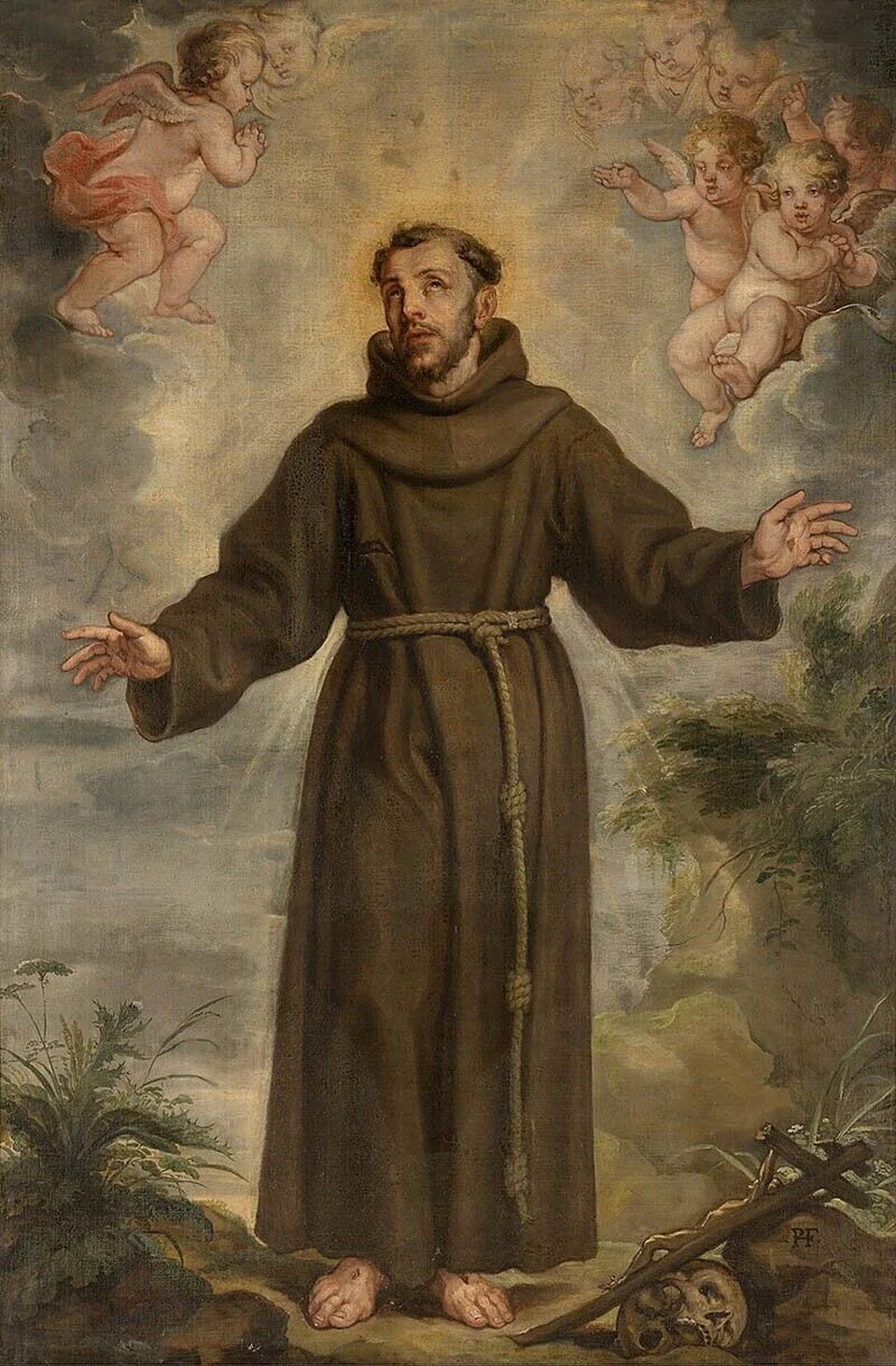
Pope Leo XIV has proclaimed a “Special Year of St. Francis” to commemorate the 800th anniversary of St. Francis of Assisi’s death from January 10th, 2026 to January 10th, 2027. During this year, an indulgence can be received (in addition to the usual conditions above) by:
1) Members of the Franciscan Families of the First, Second and Third Regular and Secular Orders; Institutes of Consecrated Life, Societies of Apostolic Life and Public or Private Associations of the Faithful, male and female, which observe the Rule of St. Francis, are inspired by his spirituality, or perpetuate his charism.
2) All of the faithful who make a pilgrimage to any Franciscan conventual church, or place of worship named after St. Francis or connected to him for any reason, and there spend a suitable period of time in prayer concluding with the Our Father, the Creed and invocations to the Blessed Virgin Mary, St Francis of Assisi, St Clare and all the saints of the Franciscan Family.
Particular Franciscan places of worship in the Diocese of New Ulm:
St. Francis Perpetual Adoration Chapel, St. Mary’s Church, Sleepy Eye
The Church of St. Clara, Clara City
Saints’ Shrine, Holy Family Church, Silver Lake
image and first-class relic of St. Francis
The elderly, the sick, and those who, for serious reasons, cannot leave their homes can obtain the indulgence under the same conditions if, united in spirit with the faithful taking part in person, they recite the Our Father, the Creed, and other prayers in their homes or wherever they are confined offering up their sufferings or the hardships of their lives.
100th Anniversary of the Schoenstatt Sisters of Mary
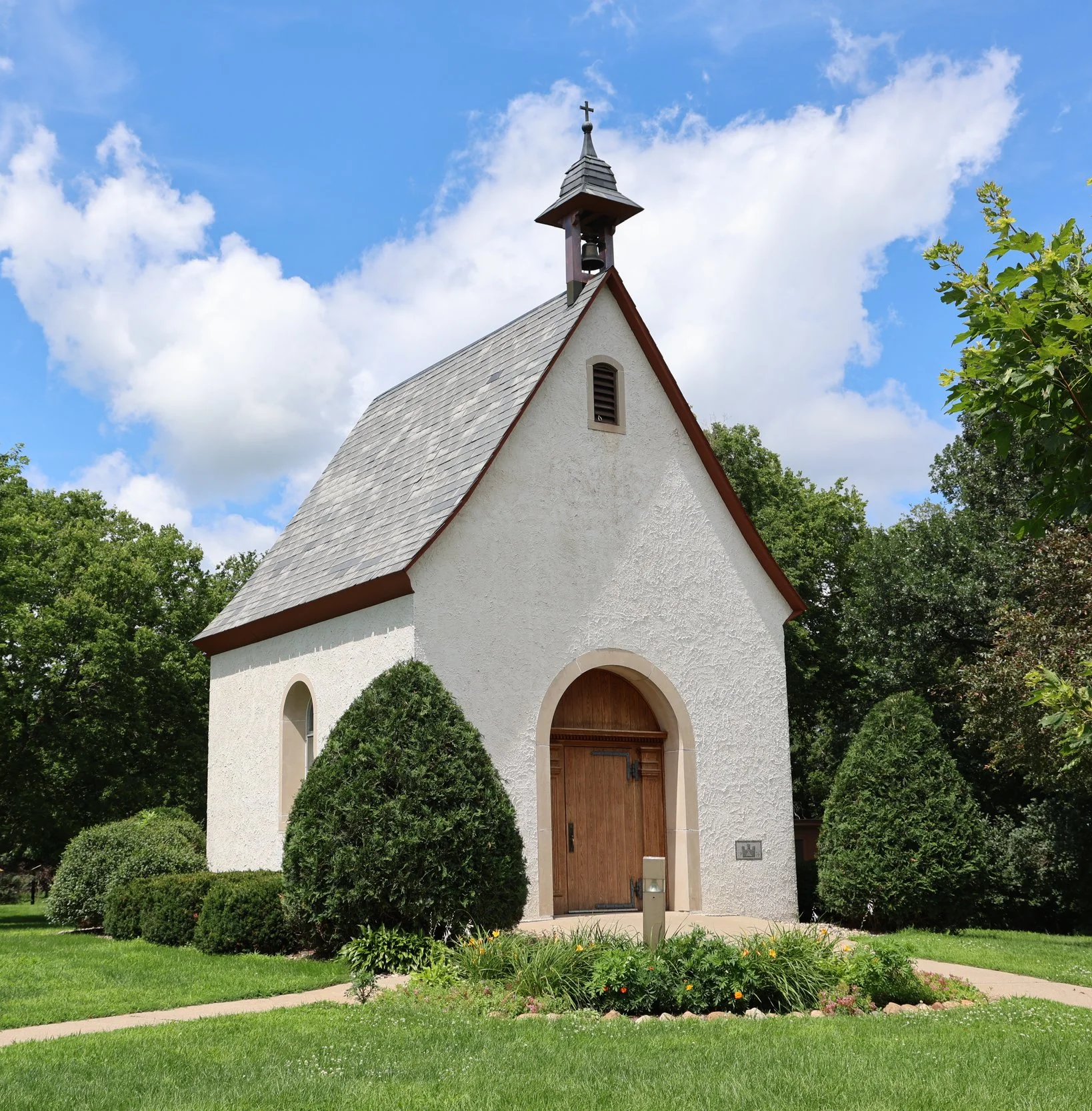
The Secular Institute of the Schoenstatt Sisters of Mary are celebrating their 100th anniversary of founding on October 1, 2026. Our local Schoenstatt Shrine, the Jubilee Family Shrine at Schoenstatt on the Lake, in Sleepy Eye, MN is celebrating it’s 50th anniversary this year as well.
From October 1, 2025 to November 4, 2026, Pope Leo XIV has granted a plenary indulgence to the faithful who make a pilgrimage to any Schoenstatt Shrine, church, or chapel under the community’s care and there spend some time in prayer (the decree specifies: the Our Father, the Creed, an invocation of the Blessed Virgin Mary as Queen of Peace and Mother of Mercy) as well as a work of penance and charity (in addition to the usual conditions above).